Showing posts with label Our Hands are Full. Show all posts

December 4, 2013

How to Enrich Your Learning Environment with Sign Language (Summary Post)

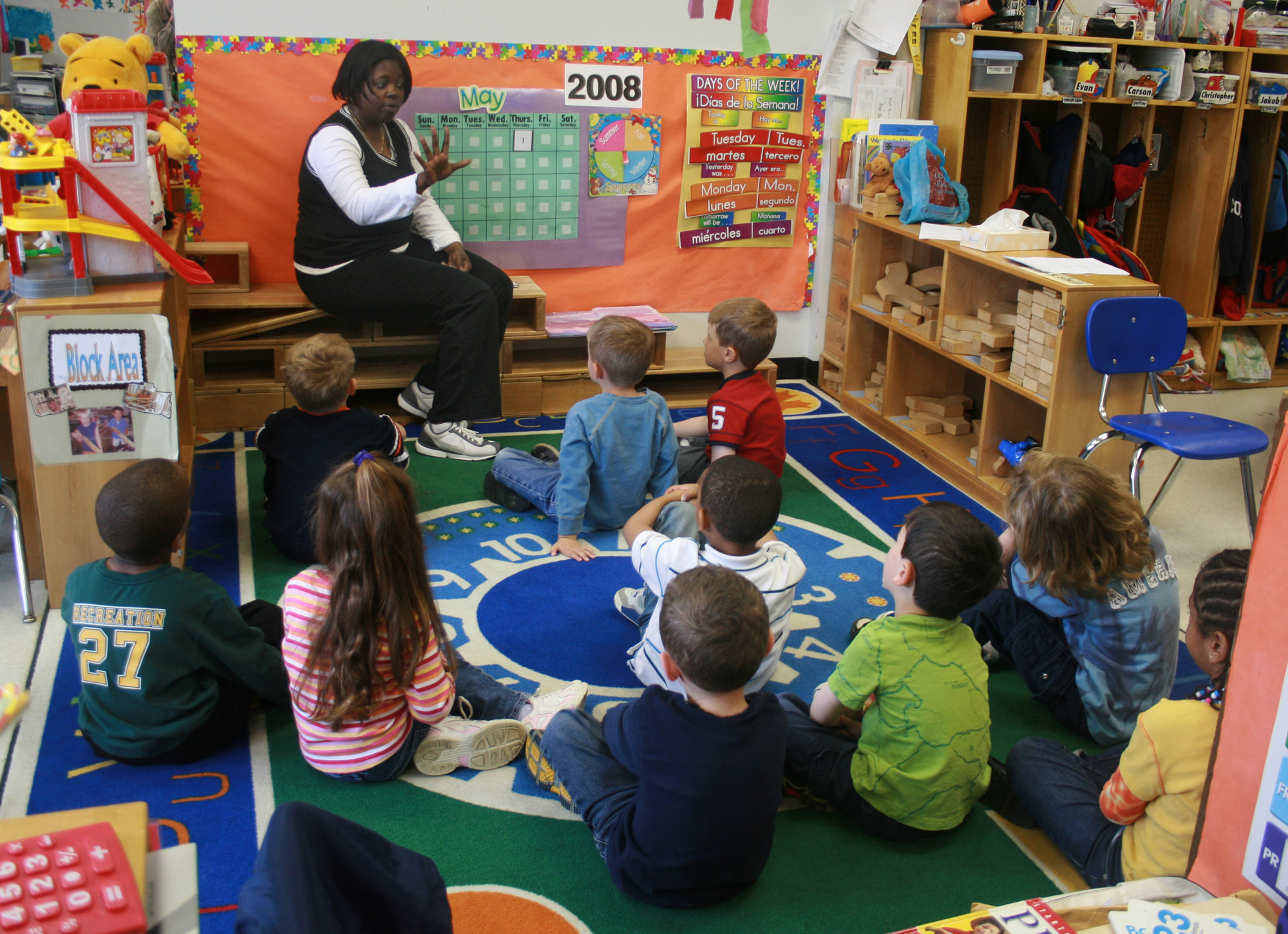
Photo Credit: K. Prochovnic, 2012
Recently, I've written several posts about the benefits of signing with hearing children of all ages (infants/toddlers, preschoolers, and school-aged kids) and how to weave sign language into your own learning environment. This information is drawn from a popular workshop I teach entitled, "Our Hands are Full: How to Enrich Your Learning Environment with Sign Language."

The workshop title is meant to suggest that teachers, librarians, parents and caregivers are BUSY (Our HANDS are FULL), but our hands can also be TOOLS for communication (meaning they are FULL of potential and opportunity).

Each post in the series offers practical tips and information about the benefits of sign language and how to incorporate ASL into your home, classroom and/or library programming. You can find links for each post below:

Enrich Your Learning Environment with Sign Language Series:

Post #1: Introduction and Research Links

Post #2: How Sign Language Can Help with Concentration

Post #3: Sign Language Keeps Hands Busy with Something Permissible and Positive

Post #4: Sign Language Develops Fine Motor Skills (Pencil Practice!)

Post #5: Sign Language Engages Multiple Senses

Post #6: Sign Language is a Natural and Effective Classroom Management Tool 

Post #7: Sign Language Can Be a Tool To Help Kids Use Their Manners

Post #8: How the Sign, "Stop" Can Help Kids Safely and Respectfully Communicate Frustration

Post #9: How to Play "The Quiet Game"

Post #10: Sign Language Can Bridge the Communication Gap in Bi-Lingual Learning Environments

I will continue to add to this series over time, so keep checking back (or sign up to follow my blog via the links in the upper right column of this page). If you have specific questions you'd like me to address, or if you're interested in scheduling your own workshop (in person, or via SKYPE), let me know in the comment section below, or get in touch through the contact links at SmallTalk Learning. You can also find me on Facebook and Twitter. Happy Signing!

December 3, 2013

Enrich Your Learning Environment with Sign Language: Post #3

Click Here for Creative Commons Photo Credit 
One of my favorite benefits of signing with children is that it keeps their hands busy with something permissible and positive.

Several years ago my son played basketball with a VERY active classmate. This was the kid who was constantly moving and fidgeting and who required frequent redirection to stay on (or to get back on) task.

During a particularly memorable basketball game, this kid was on the court during the same shift as my son with an index finger up each of his nostrils shouting (in a nasally voice), "Pass me the ball! I'm open. I'm open." I will never forget that image (or the comments from my son on the way home from the game, indicating that he did not want to touch the ball after this kid had it in his hands).

I remember thinking at the time that this kid NEEDED sign language in his life. Seriously. If there was ever a child that could benefit from having something positive and permissible to do with his hands, this was the child!

Young children are busy by nature. It's developmentally appropriate for them to MOVE their little bodies. And yet, so many classroom lessons require sitting still (in some cases, for much too long).  

Signing is a great way to give active children (particularly your kinesthetic learners) a way to move while they are learning and while they are officially "on task."

In my last post, I offered some ideas for how to incorporate signing into your read aloud story times. To build on this idea, consider teaching a "sign of the day" (or a "sign of the week") at the beginning of each day (or week). Ask your kids to keep their ears open for the key word and to sign the word each time they hear it. For example, if they key word is wait, each time you say something like, "I'll wait until voices are off," students will have an opportunity to sign wait.

Ask your particularly fidgety kids to sign the alphabet (or finger spell their name) if they they need to move when it's not an ideal "moving time."

Here is a resource to help you implement these ideas: In the beginning of each of my books in the Story Time Series there is a page of multicultural alphabet handshapes (beautifully illustrated by Stephanie Bauer). My publisher, ABDO Publishing Group, makes this page (and the full glossaries for all 16 books in the series) available for free download via their website (click here for the direct download of the alphabet handshapes, or click here and scroll to the bottom of the page, past the Star Wars info, for links to the glossaries and several other free sign language goodies on ABDO's site).

I hope you'll try these ideas and then use the contact form to the left (or leave a comment below) to let me know how it goes. I love hearing YOUR sign language success stories!

November 7, 2013

Enrich Your Learning Environment with Sign Language: Post #2

Click Here for Image Credit
As promised in my opening post in this series, this week's post is about how sign language can help with concentration. To see this in action, give your students at least one specific word to listen for when you read a story aloud. For example, focus on the word color if you are reading the book, "See the Colors," or summer if you are reading the book "Four Seasons! Five Senses!" Ask students to sign the word each time they hear it in the text. I usually say something like, "My job will be to read the story out loud. Your job is to listen to the story, and sign the word _____ each time you hear it." I find that kids are really excited to help in this way, and by helping, they concentrate their attention on me and the story I'm reading.

If you've ever read a cumulative story to a child or group of students you know that it's not uncommon that kids will chant along with you as you read the story. However, with a classroom full of students, you can't always hear who is/is not participating. By incorporating sign language, you give yourself a visual indicator of who is listening (and/or who is comprehending in the language you are using). This can be especially helpful in bilingual or multilingual classrooms, but it is definitely helpful in monolingual classrooms as well.

ABDO Publishing Group
For example, if you ask kids to focus on a word that is part of a repeating phrase, (such as silly in the book, "Silly Sue"), you'll notice that some kids will sign the focus word(s) before you actually read them on each new page or stanza). This helps you "see" who has identified a pattern in the story and/or is developing proficiency with the key literacy skill of prediction.

This one tool helps me "assess" an unfamiliar group of students in a very short time. I can quickly identify my good listeners and my "high flyers," (and I can also get a sense of who appears engaged, but may not yet have the skills of pattern identification/ prediction and/or comprehension in the dominant classroom language).

I've also noticed that this tool helps students with self regulation. When *most* students are signing, it's not uncommon that the non-signing students will look at other students and then self-adjust. Whether lack of participation is due to concentration/attention/ behavior-related issues or comprehension/literacy skill issues, the visual cue of other nearby learners signing key words helps the non-participating students get on track.

These benefits should be enough reason to start signing with the kids you work with, but alas, there are many more benefits I'll share in future posts. In the meantime, I'd love to hear your success stories signing with the children you parent or work with!

November 1, 2013

Enrich Your Learning Environment With Sign Language: Post #1

Click Here for Link to Photo Credit from Creative Commons
This post marks the beginning of a new series of posts where I will share information about the benefits of signing with hearing children of all ages (infants/toddlers, preschoolers, and school-aged kids) and offer suggestions for how to weave sign language into your own learning environment. This information is drawn from a popular workshop I teach entitled, "Our Hands are Full: How to Enrich Your Learning Environment with Sign Language."

The workshop title is meant to suggest that teachers, librarians, parents and caregivers are BUSY (Our HANDS are FULL), but our hands can also be TOOLS for communication (meaning they are FULL of potential and opportunity).

So let's start with some introductory information:

1) ASL = American Sign Language

2) ASL is the sign language used by people in North America.

3) Sign language benefits children of all ages:

*Babies can sign before they talk and sign language helps babies develop/strengthen language and early literacy skills.

*Sign language helps preschoolers/early readers learn how to read and spell and it can help all children follow directions and express themselves.

Want some evidence? Here are links to additional information/studies about the language and literacy/early literacy benefits of sign language:

Signing with Babies and Children (a white paper that offers a comprehensive summary of the academic research on the impact of signing on cognitive, linguistic and social-emotional development commissioned by the makers of Signing Time).

Click Here for Image Credit
Changing Brains (a science program for non-scientists from the University of Oregon's Brain Lab that offers information and recommendations based on scientific evidence for parents, educators, and policymakers on topics including language and motor skill development).


Click Here for Image Credit
Dancing with Words: Signing for Hearing Children's Literacy (the classic text for those seeking to advance the literacy of children through the use of sign language, by Dr. Marilyn Daniels).


Sign Language and the Brain (a summary of research from the University of Washington).

What Sign Language Can Teach Your Child (an article from Education.com)

*Sign language can even help your aging brain stay sharp! Want more details?  Click here for a summary of a research study presented at the American Academy of Neurology's 63rd Annual Meeting).

*Interesting Factoid: BSL (British Sign Language) is different than ASL (even though people from England and people from the U.S. both speak English). For a more detailed discussion, click here.

*Another Interesting Factoid: ASL has a French influence. Why? Because French scholars came to the U.S. to help us start our first educational organizations for the Deaf. For a more detailed discussion, click here.

Okay, enough of all that bookish information! Do you want practical tips and information about the benefits of sign language and how to incorporate ASL into your home, classroom, and/or library programming? Stay tuned! I will share new ideas with each new post. Next up: How sign language helps with concentration.

If you're interested in scheduling your own workshop (in person, or via SKYPE), let me know in the comment section below, or get in touch through the contact links at SmallTalk Learning, or you can find me on Facebook. I'd also love to know if you have any questions you'd like me to address.

Until next time!  Happy Signing!